Time-domain signals
Observe waveform changes and transient events over time.
Industrial acoustic equipment
Locate the source.
Understand the signal.
Acoustic imaging for partial discharge, gas leaks and equipment noise. Multi-channel analysis for acoustic and vibration testing.
Reference PDF. Configuration-dependent specifications are marked for confirmation.
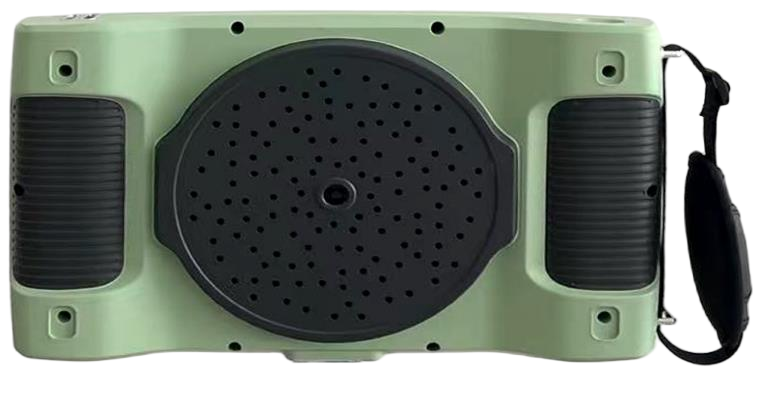
Handheld acoustic imaging
Visual localization for suspected discharge, leaks and equipment noise.
*128-channel reference design. Confirm the quoted model and frequency range before purchase.
Explore T1000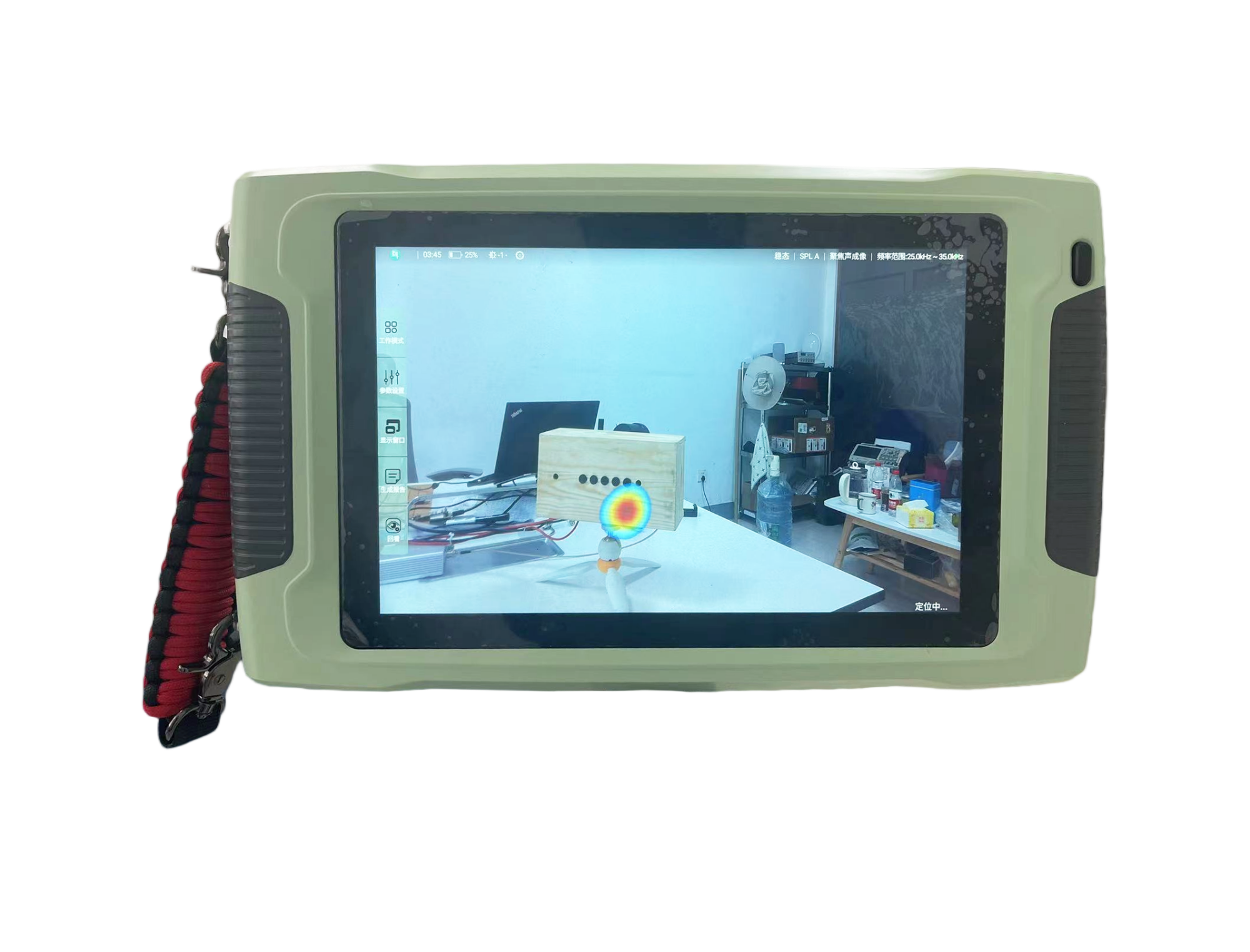
Multi-channel acquisition and analysis
Multi-channel measurement with analysis and dual excitation output.
Sampling rate is not usable signal bandwidth. Confirm software modules and sensor compatibility.
Explore T2000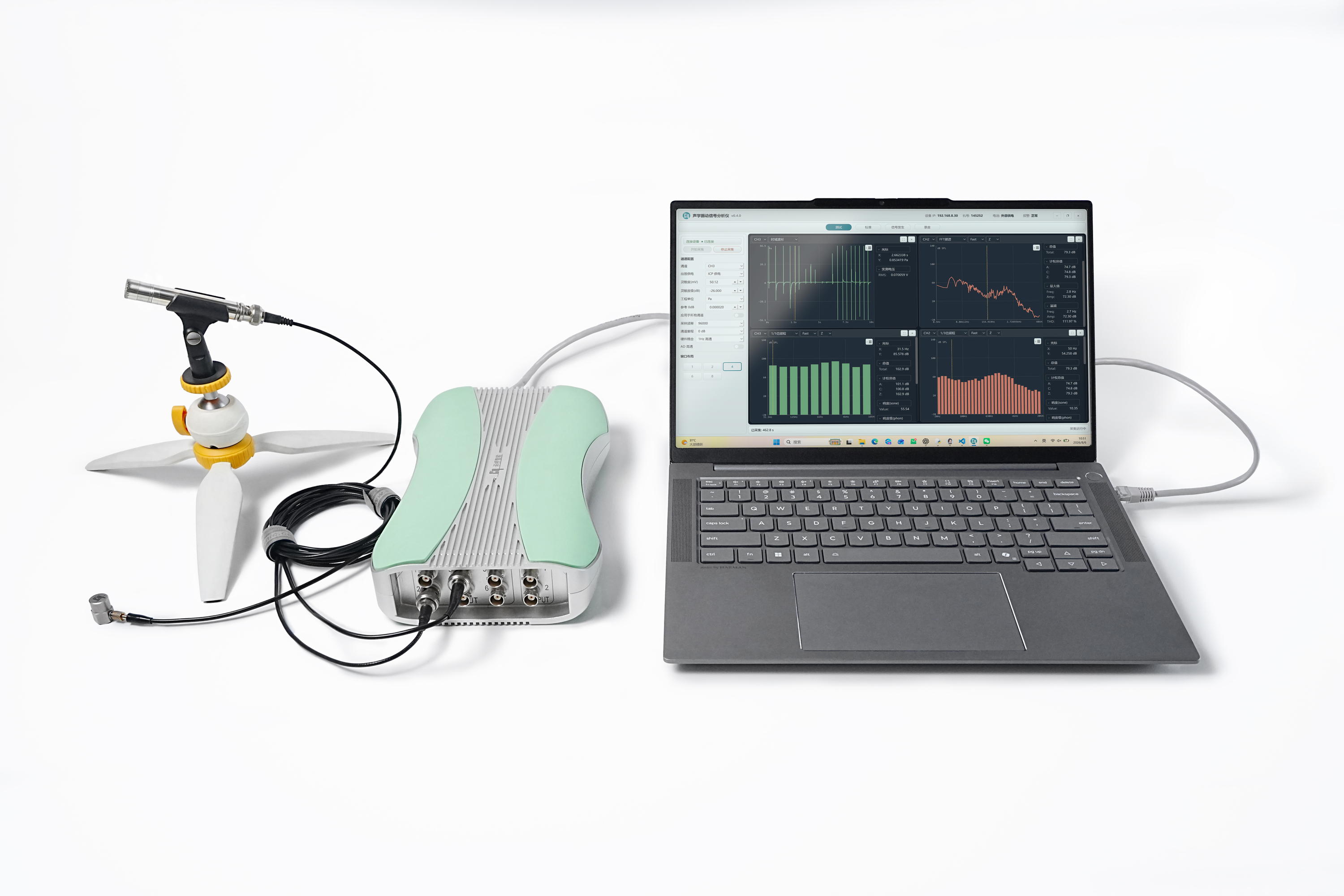
Example test setup. Laptop, sensors and accessories depend on the agreed supply scope.
Measurement and analysis
A noise level tells part of the story. Time waveforms and frequency analysis help examine changes, identify dominant components and compare a measured response.
T2000 combines signal acquisition with analysis software and excitation output for laboratory and engineering tests.
Explore the CapabilitiesObserve waveform changes and transient events over time.
Examine dominant frequencies in noise or vibration measurements.
Review acoustic energy across octave and fractional-octave bands.
Use sine, noise or sweep signals in a defined test arrangement.
Industrial applications
Electrical inspection, process maintenance and product testing require different measurements. Start with the operating environment.
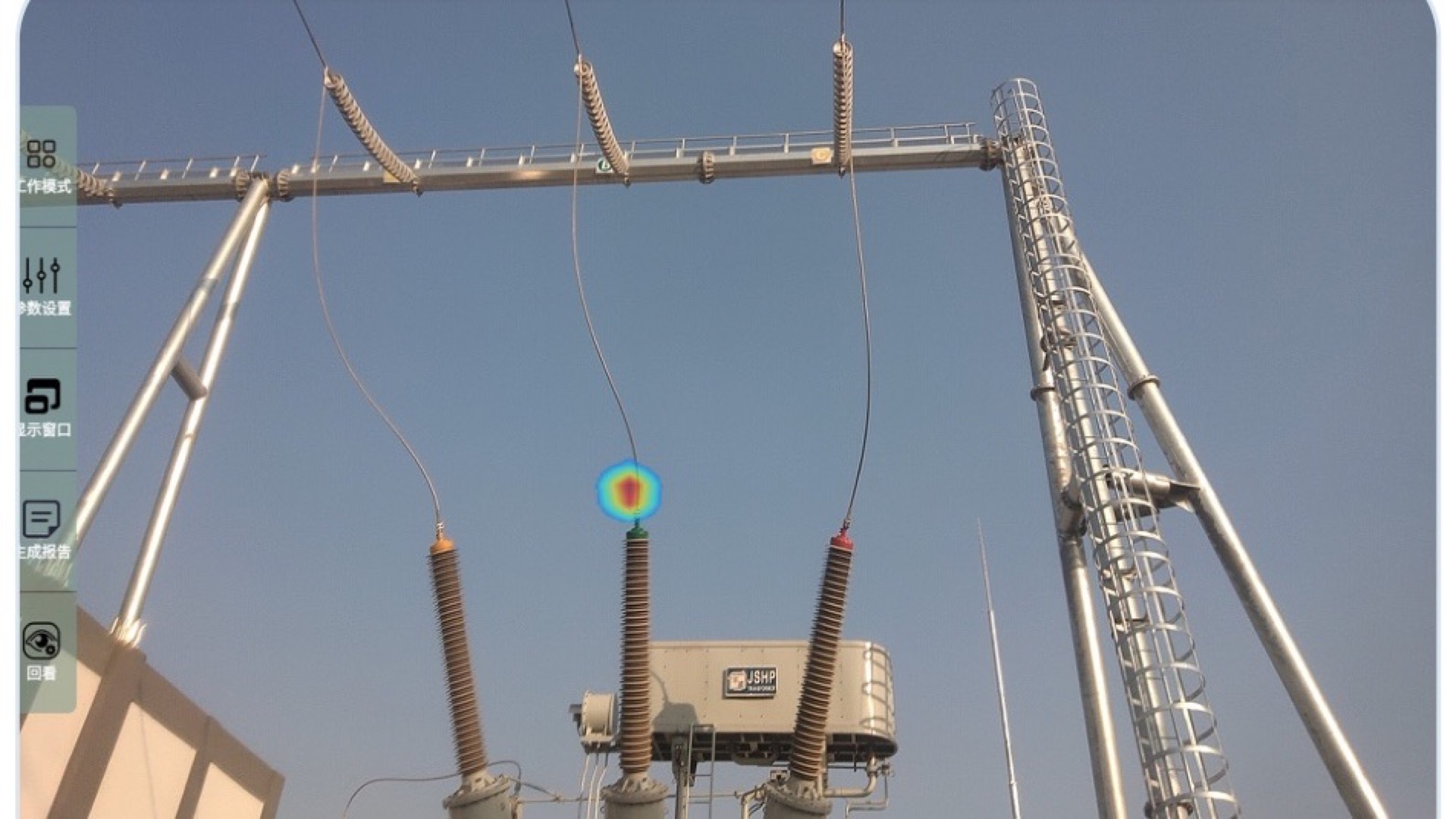
Investigate suspected partial discharge around substations, switchgear, cable terminations and distribution equipment.
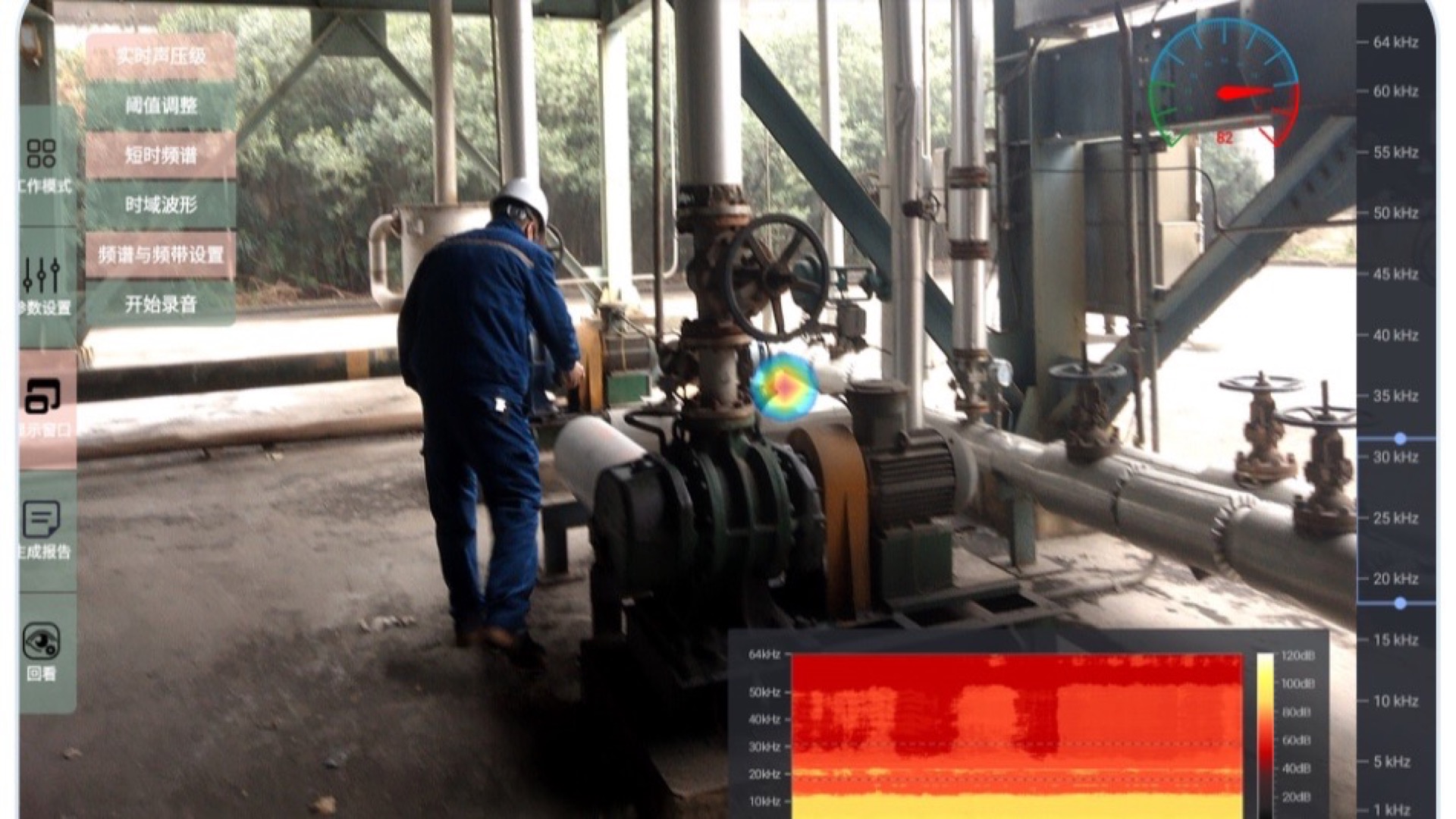
Screen pipework, valves and equipment for acoustic leak sources in power generation, steel and process facilities.
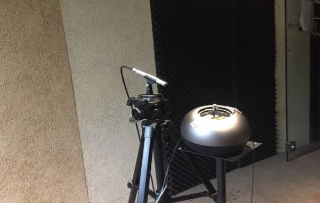
Examine product noise, structural vibration and acoustic response. Investigate seal leakage under defined test conditions.
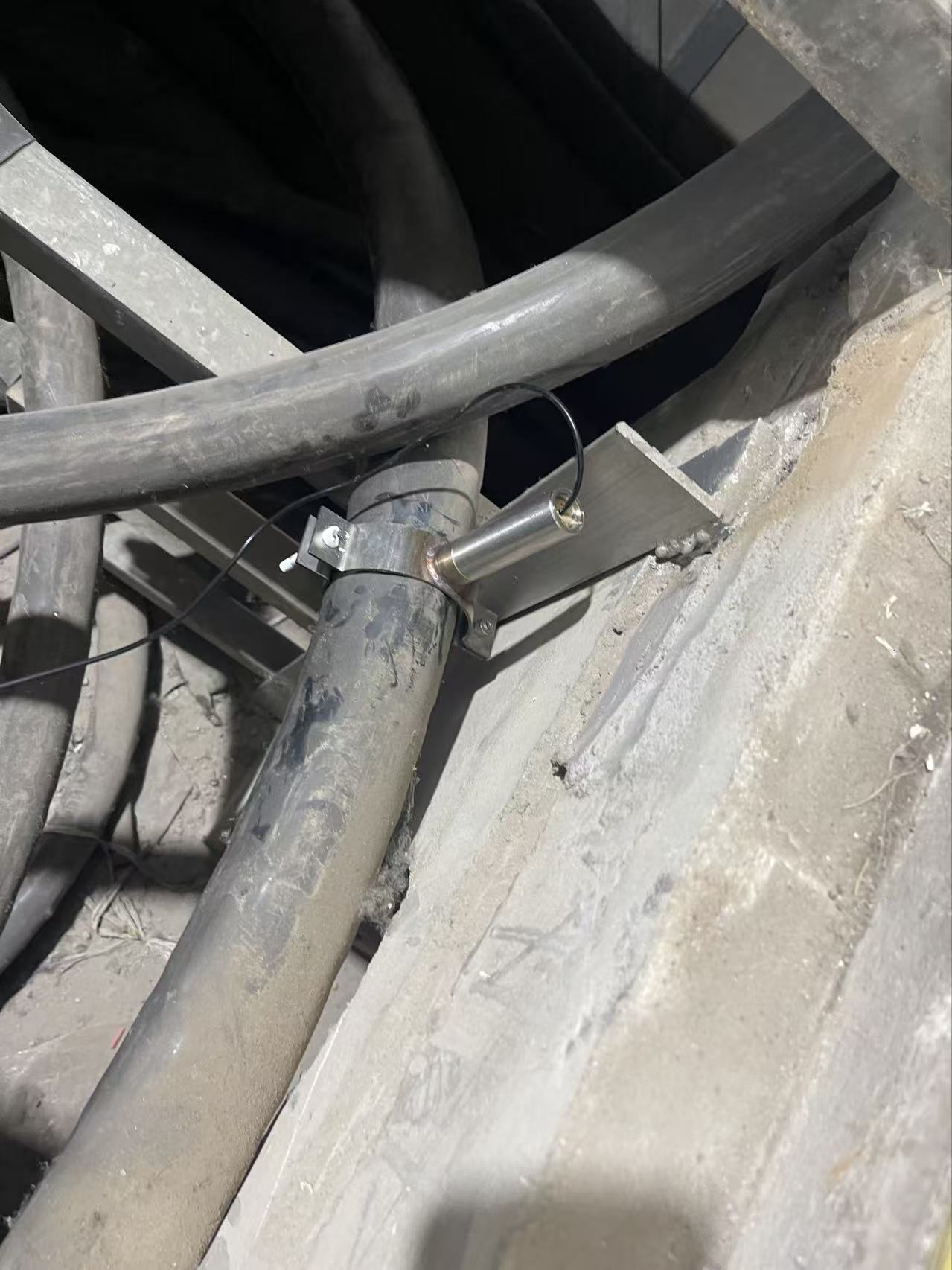
Plan noise and vibration measurements for infrastructure assessments, or continuous sensing at selected equipment locations.
Chenqiao application references. Colored sound-source overlays are instrument output.
Application references
Selected examples from our manufacturing partner, Chenqiao. Each shows a specific inspection task and the evidence it produced.
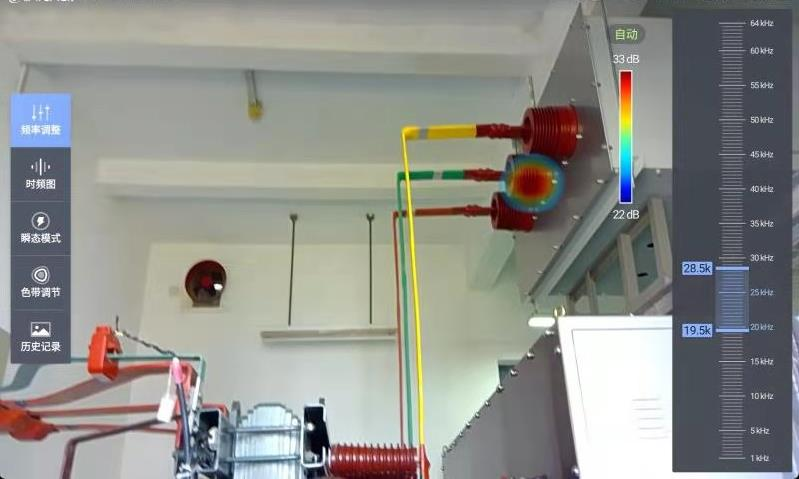
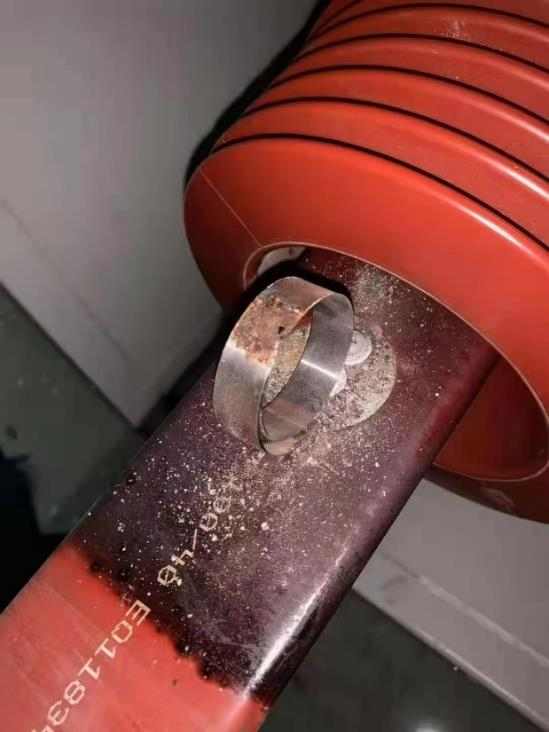
Electrical inspection
Acoustic imaging located suspected floating discharge at an incoming bushing. Disassembly confirmed poor internal contact and burn damage; the affected component was replaced.
Inspection value: a localized source for targeted maintenance.
Dalian thermal-power application reference.
Thermal power generation
The partner case covers positive- and negative-pressure leak investigations around an electrostatic precipitator, combustion chamber and gas pipework.
Inspection value: acoustic localization across multiple plant areas.
Case-specific distance, not a guaranteed detection range. Leak rate and energy savings were not reported.
Door-handle inspection view from the partner seal-testing reference.
Automotive seal testing
Door, door-handle, body-edge and rear-body views document acoustic inspection during a negative-pressure test. Suspected leak locations guided follow-up checks.
Four documented views, not four quantified leaks. The source does not report L/min, test pressure or cost savings.
The figures above describe documented site conditions and inspection records, not measured savings or guaranteed performance. Leak-flow and financial outcomes require validated project data.
Source: Chenqiao Industrial Acoustic and Vibration Inspection presentation, slides 26–28. These are partner references, not claims of Qidoo project delivery. Colored overlays are instrument output.
Project-specific monitoring
Portable inspection helps locate a source at a particular moment. Continuous monitoring uses installed sensors and a configured acquisition system to follow equipment over time.
The supplied airport-power reference combines sensor deployment at cable wells and switchgear with a monitoring platform for trends and alerts.
Discuss a Monitoring Project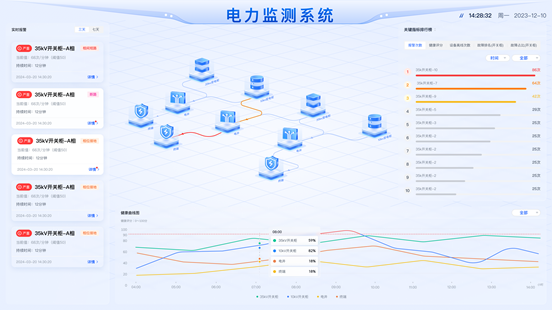
Continuous monitoring is a separately scoped solution. It is not included automatically with either portable instrument.
Qidoo industrial acoustics
Qidoo manufactures and supplies acoustic inspection and signal analysis equipment under its own brand. We share production resources with Chenqiao and are an authorized sales partner.
Our focus is the measurement task: what you need to locate, what you need to record and how you will use the results.
Meet QidooA focused range for inspection, measurement and engineering tests.
Shared production resources with an established technology partner.
Equipment, sensors and software considered together for your task.
Planning your equipment
The right configuration begins with a few specific questions, before a model or accessory list is selected.
What asset are you inspecting? Are you locating a sound source, measuring vibration, testing a seal or tracking a condition?
Share the working environment, sensor types, measurement points and any required software functions or data outputs.
Agree the instrument configuration, supplied accessories, documentation and delivery requirements in the quotation.
Before you choose
Have more technical questions?
Talk to our team about your application, sensors and measurement requirements.
No. T1000 is for visual sound-source localization. T2000 is for multi-channel signal acquisition, analysis and excitation tests. Select one or both according to the measurements your project requires.
An acoustic image helps locate a sound source. It does not by itself establish the root cause. Interpretation depends on operating conditions, and suspected faults or leaks may require follow-up inspection or other tests.
The supplied configuration supports ICP or voltage inputs. Microphone, accelerometer or other sensor compatibility should be checked against its output, power requirements, sensitivity and required measurement range.
Example photographs illustrate a test arrangement, not a fixed package. The quotation should specify the analyzer, sensors, cables, accessories, software functions and language requirements.
A short description of the task, equipment photos, operating conditions, required channels and any existing sensor details. For a monitoring project, include the measurement locations, communications requirements and intended alarm or reporting workflow.
Your next inspection or test
Share your application and working conditions.
Let’s define the equipment configuration.